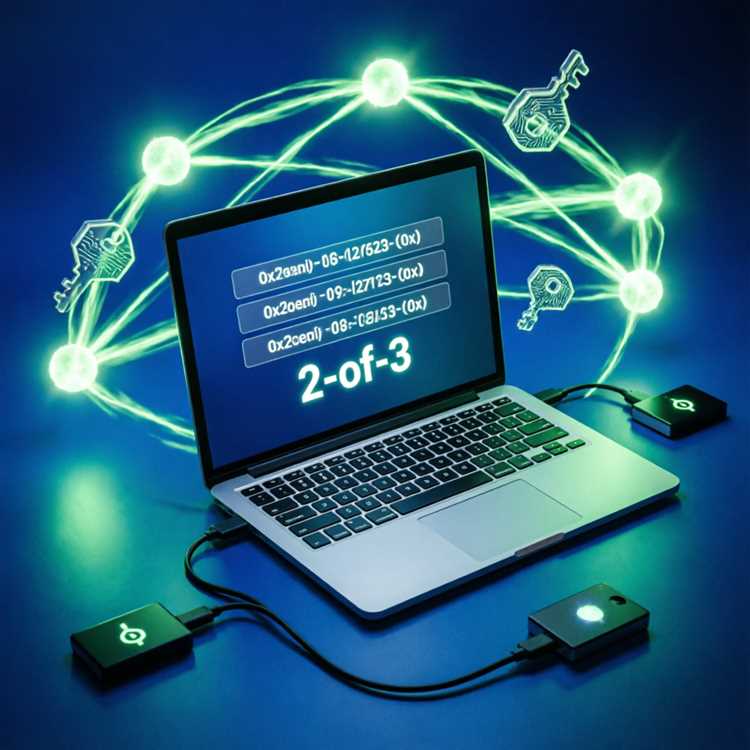
Why Standard Wallets Fall Short for Shared Funds

Managing crypto with other people brings unique risks. A single private key means one person holds full control. This setup creates trust issues for businesses, families, or joint accounts. Ledger Wallet Multi-Signature Setup and Use Guide addresses this problem directly. Multi-sig technology requires multiple approvals before any transaction goes through. Using a hardware wallet adds physical security to this already strong system.
Shared wallets without multi-sig are vulnerable. One compromised device or one bad actor can drain everything. Multi-signature wallets change that dynamic. They spread control across several parties. No single person can move funds alone. This makes them ideal for treasuries, partnerships, or inheritance planning. Pairing multi-sig with a Ledger device creates a setup that is both digitally and physically protected.
How Multi-Signature Technology Works on Hardware Wallets
Multi-signature, or multi-sig, requires more than one key to authorize a transaction. Think of it like a safe with two locks. Two different people must turn their keys to open it. With a Ledger multi-sig setup, each key lives on a separate hardware device. This prevents a single point of failure.
Standard crypto wallets use one private key. Multi-sig wallets use a combination of keys. For a 2-of-3 setup, three keys exist but only two are needed to spend. You can set rules like 2-of-2 or 3-of-5. The Ledger device signs one part of the transaction. Other signers must approve it separately. This process adds a layer of security for shared accounts.
Using a hardware wallet multi-sig setup means private keys never leave the device. They stay offline and safe from hackers. This approach offers better protection than software-only multisignature wallet options. The hardware acts as a physical barrier against remote attacks.
Understanding the 2-of-3 Model
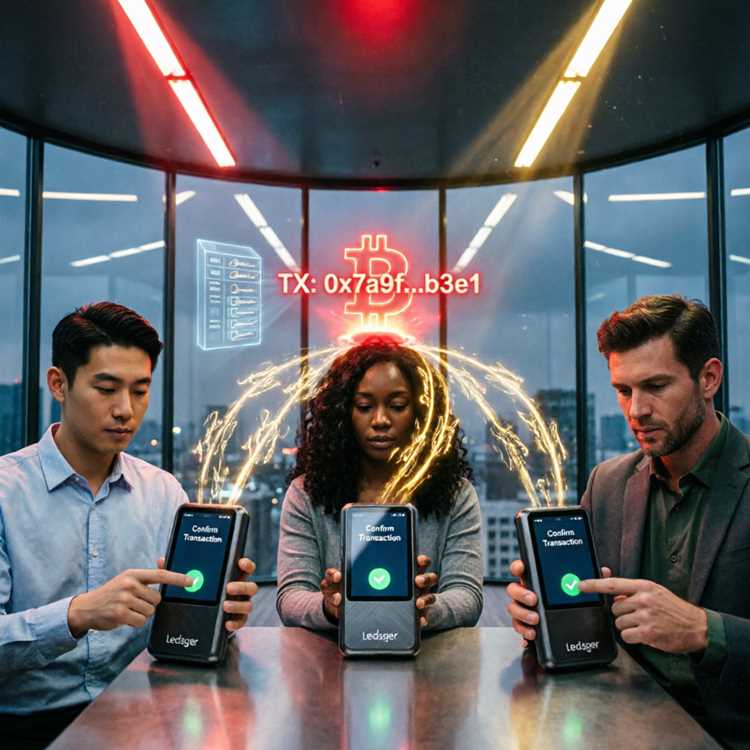
This is the most common multisignature wallet arrangement. You create three keys. Two are needed to sign any transaction. One key can be lost or compromised without losing access. This model balances security with convenience. It works well for small teams or personal backups.
Security Benefits of Hardware-Backed Signatures
Software wallets expose keys to the internet. Hardware wallets keep keys isolated. Each signer holds their own Ledger device. Signing a transaction requires physical confirmation on the device. This stops malware from signing transactions without your knowledge.
Common Use Cases for Multi-Sig
Businesses use multi-sig for corporate treasuries. Families use it for inheritance planning. Exchanges use it for cold storage. Any situation requiring joint control benefits from this technology. The ledger wallet provides the trusted hardware layer for these scenarios.
Preparing Your Ledger Devices for Multi-Signature Setup
Before setting up multi-sig, you need the right tools. Each signer needs their own Ledger device. You also need compatible software. Ledger Live does not natively support multi-sig for all coins. Most users rely on third-party wallets like Electrum or Sparrow. These connect to your Ledger device for signing.
First, install the Bitcoin app on each Ledger device using Ledger Live firmware. Make sure every device runs the latest firmware version. Update each unit before starting the setup process. Write down the seed phrase for each device separately. Store these phrases in secure, offline locations.
Next, download the wallet software on a computer. Electrum is a popular choice for Ledger official store users. It supports multi-sig and hardware wallets. Install the software and verify its authenticity. Do not use unknown or modified versions of the software.
- Connect your first Ledger device to the computer.
- Open the Bitcoin app on the device.
- Launch Electrum and select "Standard wallet."
- Choose "Use a hardware device" and select your Ledger.
- Repeat this process for each device that will be a signer.
Step-by-Step Ledger Electrum Multi-Sig Configuration
Setting up ledger wallet devices with Electrum involves careful steps. Each device must be recognized by the software. Start by creating a new multi-signature wallet in Electrum. Select the number of signatures required and the total number of keys.
During setup, you will add each hardware device as a cosigner. Electrum will scan for connected devices. Each device must have the Bitcoin app open. The software will extract the public key from each device. You do not share private keys. Only the public keys are used to create the wallet.
After adding all cosigners, save the wallet file. Label it clearly with the multi-sig setup details. Test the wallet by sending a small amount of crypto to it. Then perform a test transaction that requires multiple signatures. This confirms everything works correctly.
Adding Cosigners in Electrum
Each cosigner uses their own device. Connect the first device and let Electrum detect it. Add the second device by connecting it to the same computer. Electrum can handle multiple devices one at a time. Each device provides its public key for the shared wallet.
Creating the Multisignature Wallet Address
Electrum generates a shared address based on all cosigners. This address begins with a "3" for multi-sig. Funds sent to this address require multiple signatures to spend. The wallet software shows the setup requirements clearly.
Testing Your Configuration
Send a small amount of Bitcoin to the shared address. Attempt to send it back. The software will request signatures from the required number of devices. Connect each device and confirm the transaction on the hardware screen. This test verifies your setup is functional.
Transaction Process for Multi-Signature Wallets
Initiating a transaction in a multi-sig wallet starts like any other. You enter the recipient address and amount. The difference comes when signing. One device signs the transaction first. The software creates a partially signed transaction or PSBT. This file is shared with the other signers.
Each cosigner imports the PSBT into their own Electrum instance. They connect their Ledger device to sign. The hardware displays the transaction details. The user must physically confirm the action on the device screen. After the required number of signatures, the transaction is broadcast to the network.
This process ensures no single person can move funds alone. It provides a clear audit trail of who approved each transaction. Using a secure transfer method like this protects against internal threats and external attacks.
- Create the transaction in the shared wallet software.
- Sign with the first Ledger device.
- Save the partially signed transaction file.
- Send the file to the next required signer.
- Each additional signer repeats the signing process.
- Broadcast the fully signed transaction to the network.
Comparing Multi-Sig Setup Options
Different software offers different features for hardware wallet multi-sig. Electrum is popular for Bitcoin. Sparrow Wallet offers a more visual interface. Specter Desktop caters to advanced users. Each option connects to secure crypto storage provided by Ledger devices.
Electrum is lightweight and fast. Sparrow provides detailed transaction information. Specter supports complex scripting. All three maintain the core security of offline signing. Choose based on your technical comfort and feature needs.
The table below compares key aspects of each option.
| Software | Difficulty | Coin Support | Best For |
|---|---|---|---|
| Electrum | Intermediate | Bitcoin only | Simple setups |
| Sparrow Wallet | Intermediate | Bitcoin only | Visual learners |
| Specter Desktop | Advanced | Bitcoin only | Power users |
| Nunchuk | Easy | Bitcoin | Mobile users |
Advanced Security Practices for Shared Wallets
Running a shared wallet requires careful planning. Backups are critical. Each signer should store their seed phrase securely. Consider using multiple locations for backup seed storage. Test recovery procedures periodically.
Use separate hardware wallets for each signer. Do not reuse devices across different multi-sig setups. Label each device clearly to avoid confusion. Store devices in different physical locations when possible. This protects against theft or natural disasters.
Implement a key rotation policy. If a signer leaves the group, create a new multi-sig wallet. Move funds to the new setup. This prevents old signers from retaining access. Regularly review who has signing authority.
Seed Phrase Management for Multi-Sig
Each device has its own seed phrase. Do not store all seed phrases together. An attacker who finds all phrases can bypass the multi-sig requirement. Separate them geographically. Consider using a safety deposit box for one phrase.
Physical Security of Hardware Devices
Protect each Ledger device with a strong pin code protection. Enable the passphrase feature for extra security. Store devices in locked containers when not in use. Verify the device screen during each transaction to avoid tampering.
Recovery Procedures
Practice recovering the wallet from seed phrases. Each signer should know how to restore their own device. The group should know how to rebuild the shared wallet using public keys. Document the recovery process step by step. Store this document securely.
Multi-Sig for Non-Bitcoin Assets
Bitcoin is the primary coin for multi-sig with Ledger. Other cryptocurrencies have limited support. Ethereum offers smart contract based multi-sig but not on hardware directly. Some ERC20 tokens can use Ethereum based multi-sig contracts. These require more technical knowledge to set up.
Do not attempt to create multi-sig for unsupported coins on your Ledger. Use the Bitcoin app only for Bitcoin multi-sig. For Ethereum based assets, consider using a multi-sig contract like a Gnosis Safe. Your Ledger device can sign transactions for this contract. This provides a similar level of shared control.
Always verify compatibility before setting up any multi-sig configuration. Check the Ledger Live software and third party wallet documentation. Using the wrong setup can lead to lost funds. Stick to well tested configurations.
Pairing this with Ethereum Ledger support allows for smart contract interaction. The device signs the contract call. Multiple signers can approve contract based multi-sig transactions through the same hardware process.
Common Mistakes and Troubleshooting
New users often confuse multi-sig with shared seed phrases. Multi-sig uses different keys. Shared seeds create a single point of failure. Do not share your seed phrase with anyone. Multi-sig requires separate devices and separate seeds.
Another mistake is losing all signer devices. Always maintain a recovery plan. Store seed phrases in multiple locations. Consider using a 2-of-3 setup so one device can be lost. Test recovery from seed phrases before relying on the setup.
Software compatibility issues can arise. Always use the latest version of Ledger Live firmware and third party wallet software. If the software does not detect your device, try a different USB cable. Restart both the software and the computer. Ensure the Bitcoin app is open on the device.
- Forgot one device at home: Use the other required devices to proceed.
- Lost a device: Restore from seed on a new device.
- Software not connecting: Update firmware and software.
- Transaction not broadcasting: Check network fees.
- Signer list outdated: Create a new wallet and move funds.
Frequently Asked Questions About Multi-Signature on Ledger
Understanding the public key private key relationship is essential for multi-sig. Public keys are shared. Private keys stay on the device. Each signer controls their own private key. The multi-sig wallet uses only the public keys to create the shared address.
Can I use the same Ledger device for multiple multi-sig wallets?
Yes, but it is not recommended. Using separate devices reduces risk. If one device breaks, you can restore from seed. Label each device for its specific role.
What happens if I lose my Ledger device?
You can restore your key on a new device. Use your seed phrase. The multi-sig wallet remains accessible if enough other signers can operate.
Is multi-sig available for all cryptocurrencies?
No. Bitcoin has the best support. Some other coins have limited options. Always check compatibility before setting up.
How do I add a new signer to an existing multi-sig wallet?
You cannot add a signer to an existing wallet. Create a new multi-sig wallet with the new signer set. Transfer all funds to the new wallet address.
Does multi-sig slow down transactions?
The signing process takes longer. You must coordinate with other signers. The actual network transaction speed remains the same.